Fabric Printing Vs. Embossing: What’s The Difference?
Feb 28, 2026
In the apparel and home textile sectors, printing and embossing are two widely used decorative finishes that add unique textures and visual appeal to fabrics. While both techniques enhance the aesthetic and tactile qualities of textiles, they differ fundamentally in their working principles and the surface effects they produce, making each suitable for distinct applications. Although these processes are often confused, understanding their core characteristics makes them easy to tell apart.


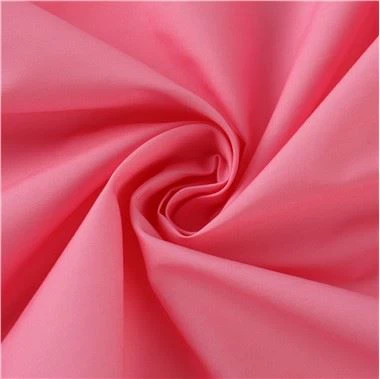
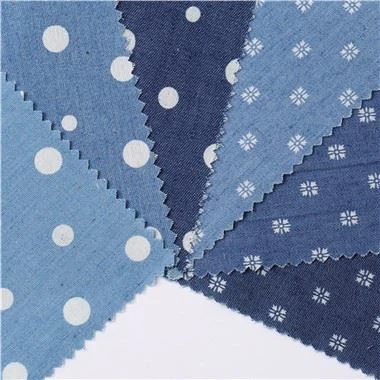
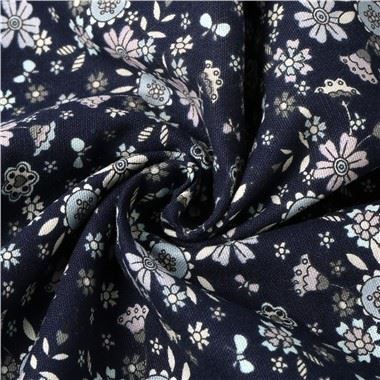
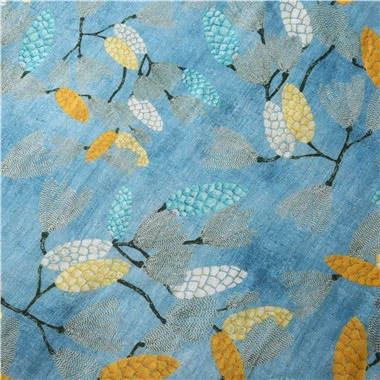
Printed fabric Embossed fabric
Printing is a coloration process that focuses on applying color to create patterns. It involves transferring dyes or pigments onto the fabric surface to form multicolored designs. Common methods include digital printing, reactive printing, and heat transfer printing, each with specific benefits. Digital printing offers high color accuracy and fine detail, ideal for small-batch, custom designs. Reactive printing allows dyes to bond with the fabric fibers, providing excellent colorfastness and breathability, making it a top choice for natural fibers like cotton and Tencel. Heat transfer printing works well on synthetics, offering strong pattern adhesion, though it may slightly reduce breathability. The key characteristic of printed fabric is its colorful patterns, while the hand feel remains largely the same as the base material, with no significant three-dimensional texture.
Embossing, in contrast, is a texturing process that shapes the fabric's surface without adding color. It uses heat and pressure with engraved rollers or plates to physically impress a pattern onto the fabric, creating a raised or recessed design. The quality of the embossed effect depends heavily on the fabric's fiber content. Natural fibers like cotton, linen, and wool, as well as blended fabrics, are highly malleable and yield sharp, durable patterns. Due to differences in heat resistance, some synthetic fabrics may require special treatments. Common embossed patterns include crinkles, veined leaf designs, and geometric motifs. The resulting surface is tactile and three-dimensional, enhancing the fabric's perceived quality and allowing even solid colors to exhibit sophisticated depth.
These distinct features determine their best uses. Printed fabrics, with their vibrant colors and patterns, are ideal for summer clothing, childrenswear, and bedding, creating lively or elegantly decorative effects. Embossed fabrics, valued for their textured surface, are frequently used in autumn/winter outerwear, suits, and high-end home textiles, conveying a sense of understated sophistication. Care methods also differ: printed fabrics should be protected from prolonged sun exposure to prevent fading, while embossed fabrics should avoid high-temperature ironing, which could distort or flatten the pattern.