What Are The Advantages Of Yarn-Dyed Fabric Compared To Regular Printed Or Dyed Fabrics?
Apr 09, 2026
When buying clothes or fabrics, yarn-dyed, printed, and solid-dyed are three common coloring methods. They may all seem to add color to fabric, but the underlying processes are fundamentally different. Among them, yarn-dyed fabric stands out for its unique advantages and has become synonymous with high‑quality textiles. Compared to ordinary printed or dyed fabrics, the benefits of yarn-dyed fabric lie in three key areas: colorfastness, texture, and overall quality, making it far more practical than conventional coloring methods.
First, let's clarify the process differences. Solid dyeing involves weaving the fabric first (usually white or grey cloth) and then immersing it in a dye bath - coloring after weaving. Printing applies patterns or colors onto a pre‑dyed or white base fabric - adding decoration after the fabric is made. Yarn-dyeing, on the other hand, dyes the yarns first, then weaves them together using different colored yarns in the warp and weft directions - coloring before weaving. This process is more complex and more costly.
The most prominent advantage of yarn-dyed fabric is its excellent colorfastness. On printed fabrics, the dye only adheres to the surface - repeated washing can cause fading, cracking, or bleeding. Dark solid‑dyed fabrics may also lose loose dye. In contrast, the dye in yarn-dyed fabric penetrates deep into the yarns and bonds tightly with the fibers. Even after many washes, the colors do not fade easily, and the patterns remain sharp - especially noticeable on dark colors, plaids, and stripes. The fabric keeps its vivid look for a long time.
Another advantage is its high‑end texture and three‑dimensional feel. Printed fabrics have patterns sitting on the surface, often feeling stiff and lacking depth. Solid‑dyed fabrics are uniform in color but can appear flat. Yarn-dyed fabric achieves its patterns through the interweaving of colored yarns, creating a fine, delicate surface texture with soft, natural colors - no artificial, rubbery print feel. Stripes and plaids have clean, crisp edges, giving an inherently refined look. When worn next to the skin, it feels softer and more comfortable.
In addition, yarn-dyed fabric offers even color and better opacity. Thin, solid‑dyed fabrics can be somewhat translucent, showing undergarments. Yarn-dyed fabric, with its evenly interwoven colored yarns, provides better opacity and light blocking. The pattern density remains consistent regardless of fabric thickness, making it suitable for shirts, bedding, dresses, and many other applications.
Of course, yarn-dyed fabric does cost more and typically features relatively simple patterns (like stripes and checks). It is best for those who value quality, durability, and a refined look. If you prefer very flashy, complex patterns or are on a tighter budget, printed or solid‑dyed fabrics are good alternatives. In short, yarn-dyed fabric wins on durability, texture, and colorfastness - an excellent choice that combines beauty with practicality.

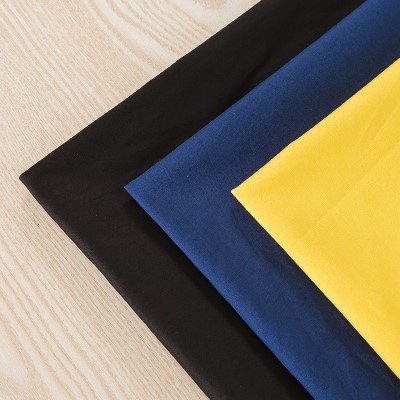
Yarn-dyed fabric Dyed fabric
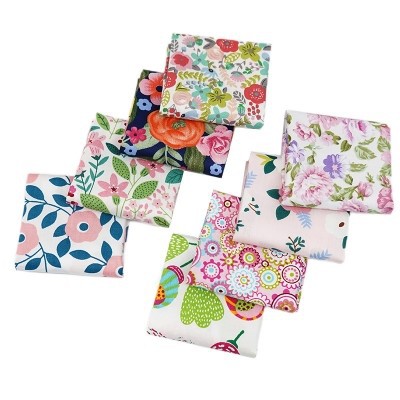
Printed fabric