What Is The Difference Between Natural Fibers And Chemical Fibers?
Apr 03, 2026
When shopping for clothes, the labels indicating natural fibers and chemical fibers can often be confusing. Many people believe that natural fibers are always superior to chemical fibers. However, the core difference is not simply a matter of good or bad, but rather lies in their raw material sources, production methods, and intrinsic properties - which directly determine the fabric's hand feel, performance, and intended use.

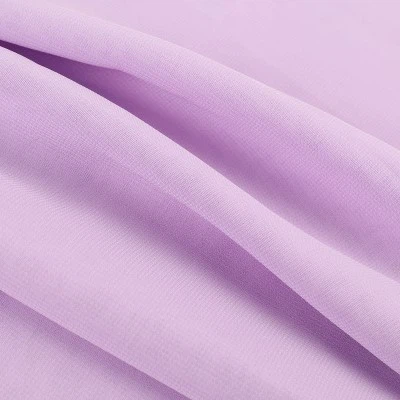
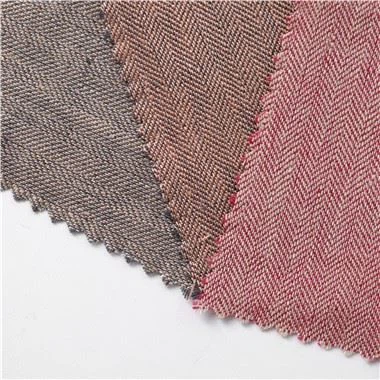
Natural fiber fabric Chemical fiber fabric
Naturally Occurring vs. Artificially Synthesized
This is the most fundamental difference between the two. Natural fibers come entirely from nature - they are fibers grown or formed by plants, animals, or minerals without the need for artificial chemical synthesis. Common examples include cotton, linen, wool, and silk. Their raw materials - cotton bolls, flax stalks, sheep's wool, silkworm cocoons - are natural products, a direct gift from nature for textile production.
Chemical fibers, on the other hand, are manufactured artificially. They are divided into regenerated fibers and synthetic fibers. Regenerated fibers (such as Tencel and modal) are derived from natural sources like wood pulp or cotton linters, but they must undergo chemical dissolution and spinning to form fibers. Synthetic fibers (such as polyester, nylon, and acrylic) are based on petrochemicals, coal, or other chemical raw materials, and are synthesized through complex chemical reactions, relying entirely on artificial processes.
Inherent Properties vs. Tailored Performance
Natural fibers retain the properties given by nature. Most are moisture-absorbing, breathable, and gentle on the skin. However, they also have clear drawbacks: they wrinkle easily, shrink easily, are susceptible to insect damage, and have limited durability. Their performance cannot be artificially altered - it depends solely on the raw material itself.
Chemical fibers, in contrast, can have their performance tailored through manufacturing processes. They can be made abrasion‑resistant, wrinkle‑resistant, easy to care for, and high in strength, thus compensating for the shortcomings of natural fibers. However, ordinary chemical fibers generally have poor moisture absorption, tend to trap sweat, and some types lack skin‑friendliness.