What Is African Wax Print?
Aug 18, 2026
If you are exploring textile exports to Africa, African Wax Print is undoubtedly a keyword you cannot overlook.

What Is Wax Print?
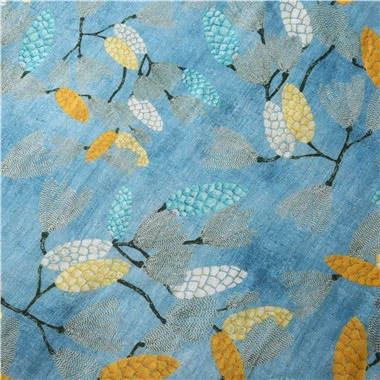
Wax print, also known as wax-resist printed fabric, is a major category of printed cotton textiles. It is produced using a wax-resist dyeing technique – with beeswax or similar waxes as the resist agent – through processes such as molten wax application (for patterning), dyeing, and dewaxing, which create distinctive designs on the fabric. Wax prints are characterized by bold motifs, rich color saturation, fine and naturally occurring "crackle" effects, and nearly identical coloration on both sides of the fabric. Thanks to these unique attributes, they have become one of the most beloved fabrics among African consumers, earning the name "African fancy fabric."
Origins and Evolution
The history of wax print can be traced back to the island of Java in Southeast Asia. Wax-resist textiles first made their way from Java to Europe, and later the Dutch East India Company mass‑produced mechanically imitated versions inspired by Javanese batik, which were then sold to Africa. Unexpectedly, these fabrics gained tremendous popularity in Africa from the mid‑1960s onward, eventually becoming an iconic symbol of African identity.
Today, wax print has taken deep root in Africa and become an integral part of local culture. In Nigeria, it is called Ankara; in East Africa, Kitenge; in Francophone West Africa, simply Wax. Regardless of the name, it is an indispensable fabric in everyday African life.
What Makes Wax Print So Special?
The greatest charm of wax print lies in its distinctive and naturally occurring "crackle" – the fine, irregular lines formed during dyeing when the wax layer on the fabric cracks due to folding, allowing the dye to seep into the fissures. The finest crackle effects are compared to human fingerprints: "the more irregular, the more natural," and this irregularity is regarded as a mark of superior craftsmanship.
Another important feature is double‑sided penetration. Genuine wax prints display the same pattern and color vibrancy on both sides – the front and back are virtually identical. This "inside‑out" quality is highly valued by African consumers.
How Large Is the Market?
The market size of wax print is considerable. In 2022, the global wax print market reached US$5 billion, and it is projected to exceed US$8 billion by 2027. The African printed textile and fashion market is expected to grow at a compound annual growth rate (CAGR) of 24.20% during the forecast period from 2025 to 2033. Meanwhile, the African fashion industry is projected to expand to US$15.5 billion in 2025.