How to Distinguish Quality in Wax Print Fabrics for Export to Africa?
Sep 14, 2026
When sourcing wax print fabrics, you'll inevitably come across two key terms: real wax and fake wax (also known as imitation wax). What sets them apart? And which one suits your market positioning better? This article breaks it down for you.
What Is Real Wax Print Fabric?
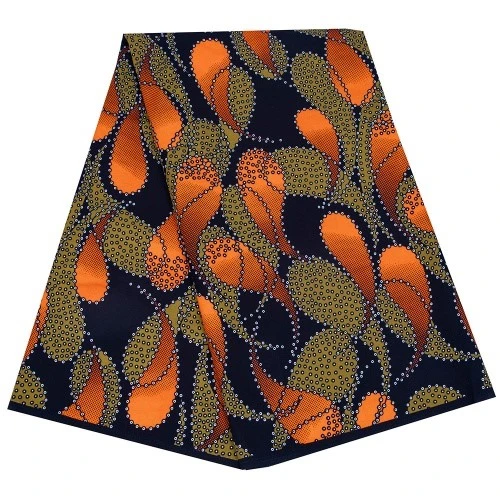
Real wax print fabric is the premium tier of wax‑printed textiles. It is produced using the traditional wax‑resist dyeing process: wax is applied to the fabric, then cracked, and the material is dipped into dye. The dye seeps through the wax cracks into the fibers, creating natural, lively "crackle" effects. If additional patterns are needed, they can be printed after the wax is removed.
Real wax prints boast three distinctive characteristics: rich, deep colors; naturally vibrant and organic wax crackles; and identical print appearance on both the front and back. Thanks to this inside‑out quality, real wax fabrics have long been cherished by African consumers.
What Is Imitation Wax Print Fabric?
Imitation wax print fabric, as the name suggests, is made by directly printing patterns that mimic the real wax style. It involves fewer production steps, a shorter process, simpler technology, and lower manufacturing costs.
However, imitation wax has clear drawbacks – it struggles to achieve an authentic batik‑style look. Traditional imitation wax printing is mostly single‑sided direct printing, so the front and back rarely match perfectly. The crackle patterns also lack the natural randomness and spontaneity of real wax.
Real Wax vs. Imitation Wax – At a Glance
|
Comparison Aspect |
Real Wax Print |
Imitation Wax Print |
|
Crackle effect |
Natural, irregular, fingerprint‑like |
Regular, stiff, and repetitive |
|
Front vs. back |
Completely consistent |
Visible differences |
|
Production process |
Complex, with many steps |
Simple, short workflow |
|
Production cost |
Higher |
Lower |
|
Market positioning |
Premium / high‑end |
Mid‑range / budget‑friendly |
How to Identify Quality When Sourcing?
If you are a buyer, here are quick ways to tell real wax from imitation wax:
1. Check the crackles – Real wax has natural, random, and irregular crack lines; imitation wax tends to look overly uniform and patterned.
2. Examine both sides – Turn the fabric over. Real wax shows nearly identical colors and patterns on the reverse; imitation wax often has a lighter or blurrier back side.
3. Feel the hand feel – High‑quality real wax feels soft and supple, not stiff. Lower‑end products often have a harsh, rigid texture.
4. Ask about the process – Directly inquire with the supplier about their production method. Real wax production requires heavy investment and high technical know‑how; manufacturers that offer real wax are generally more established and capable.
Market Positioning Advice
- If your target customers are quality‑conscious buyers – those looking for festive attire, ceremonial wear, or premium fashion – real wax is the better choice. Historically, real wax garments were worn by African royalty and elites; even today, in countries like Nigeria, the texture, pattern, and colour of wax fabric carry strong cultural significance and signals of status.
- If your target market is everyday casual wear, fast‑moving consumer goods, or price‑sensitive segments, imitation wax offers great value for money and can meet large‑volume demand effectively.