

What Are the Characteristics of Silk Twill?
Mar 23, 2026
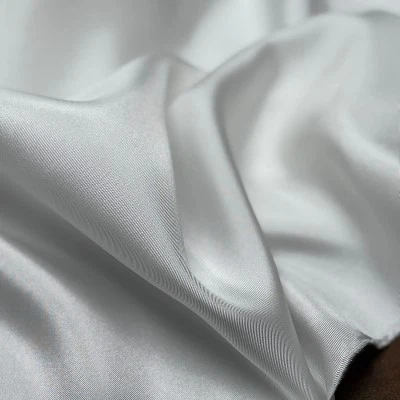
Silk twill is made from 100% mulberry silk and woven using a twill technique that creates a distinct diagonal texture on the fabric surface. It feels firm and structured, setting it apart from plain-weave or satin-weave silks. Balancing softness with body, it offers a subtle, understated sheen and is widely used in fashion and high-end apparel. Understanding its characteristics can help you make more informed choices when purchasing and caring for it.
Advantages of Silk Twill
1.Structured and Shape-Retaining
Silk twill is tightly woven and has a natural crispness. It drapes elegantly without clinging to the body, making it ideal for blouses, shirts, suits, and dresses that require clean lines and structure. It flatters a variety of body types and delivers a more polished look than many other silk fabrics. It also holds folds well-one reason it's a top choice for luxury scarves.
2.Subtle Luster, Refined Appearance
Silk twill has a matte finish with a soft, warm glow-quite different from the high shine of satin. This makes it suitable for both everyday wear and formal settings, offering understated elegance. Prints appear vivid and well-defined, with rich color saturation and excellent visual depth.
3.More Durable Than Standard Silk
The twill weave adds strength, making it more resistant to snags and tears compared to fabrics like silk chiffon or charmeuse. It also has moderate wrinkle resistance for a silk fabric, so it holds up well during regular wear and requires less frequent ironing.
4.Breathable and Comfortable to Wear
Like all mulberry silk, silk twill retains the natural protein fibers that are breathable, moisture-absorbent, and gentle on the skin. It keeps you cool in summer without trapping heat, and it's comfortable enough to wear throughout the year-offering both beauty and functionality.
Disadvantages of Silk Twill
1.Less Soft Than Satin or Crepe Silks
Because silk twill has more structure, it lacks the buttery softness of silk charmeuse or crepe de chine. It's better suited for outerwear and accessories than for close-fitting sleepwear or bedding.
2.Higher Shrinkage Tendency
The twill construction can result in higher shrinkage compared to plain-weave silk. Garments should be pre-shrunk during production, and care must be taken when washing to prevent size loss.
3.Still Requires Careful Maintenance
Although more durable than some silks, silk twill is still a delicate fabric. Avoid vigorous rubbing, prolonged sun exposure, and harsh machine washing, which can cause distortion, fading, or loss of luster. Gentle hand washing or dry cleaning is recommended.
4.Drape Is More Firm
Silk twill has a crisp drape rather than a fluid one, so it's not ideal for designs that require lots of soft movement, such as full, flowing skirts. It works best for tailored, form-fitting, or structured silhouettes.
In summary, silk twill is an excellent choice for scarves, ties, blouses, dresses, suits, and Chinese-style jackets. Common weights range from 12 to 19 momme-lighter for scarves, medium to heavier for garments-offering a great balance of practicality and style.
Silk twill is a structured, elegantly matte, durable, and relatively easy-to-care-for silk fabric with excellent value for money. Its main trade-offs lie in softness and shrinkage, but if you avoid unsuitable uses and follow proper care instructions, it will maintain its quality and appearance for years to come.


