
How Different Patterns Determine Cleaning Efficiency and Product Positioning?
Apr 23, 2026
In the nonwoven fabric industry, cotton spunlace nonwoven fabric has become the preferred substrate for high-end cleaning products and personal care items due to its natural, soft, and eco-friendly characteristics. However, many buyers often overlook a critical variable during material selection – the pattern. The three embossing processes – plain, apertured, and pearl – applied to 100% cotton spunlace fabric result in differences in hand feel and cleaning performance. Choosing the right pattern not only affects user experience but also directly determines the market competitiveness of the end product.
Plain Pattern
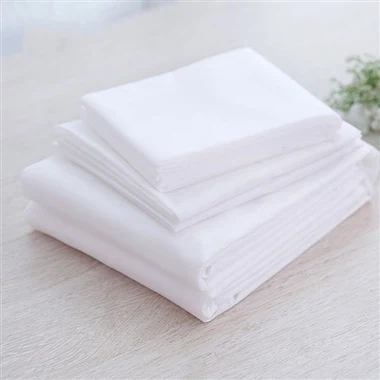
The plain pattern is the most basic texture form of spunlace nonwoven fabric, featuring a smooth, flat surface with evenly arranged fibers. This structure offers extreme softness and gentleness, making it an ideal choice for cleaning sensitive surfaces.
In terms of application scenarios, plain pattern cotton spunlace fabric is particularly suitable for premium wet wipes, baby care wipes, and precision surface cleaning such as eyewear and screens. With no raised or recessed texture, the plain pattern does not create a scratching sensation during wiping. Combined with the natural skin-friendly properties of cotton fibers, it delivers a silky, gentle experience for users. For high-end wipes that emphasize mild care, the plain pattern is the safest texture option.
Apertured Pattern
The apertured pattern creates regularly arranged diamond-shaped or circular holes on the fabric surface, forming a grid-like structure. This seemingly simple design incorporates clever functionality – the edges of the holes enhance friction between the fabric and dirt, while providing space to trap granular debris, preventing secondary contamination.
Apertured cotton spunlace fabric is commonly used in kitchen cleaning cloths and industrial wiping wipes. When users wipe away grease on stovetops or heavy oil stains on mechanical parts, the apertured structure effectively lifts and locks in dirt like a scraper, achieving far higher cleaning efficiency than plain fabric. In addition, the quick-draining property of apertured fabric makes it perform well in wet mopping or rinsing scenarios. If your downstream products target heavy grease, rough surfaces, or industrial environments, the apertured pattern is a priority option worth considering.
Pearl Pattern
The pearl embossing process creates raised, rounded dots on the fabric surface, giving it a strong three-dimensional texture that visually resembles a string of pearls. The most prominent advantage of this structure is that the raised portions significantly increase the apparent thickness and bulk of the fabric, while the recessed areas between the raised dots form natural channels for fluid flow and liquid storage.
Pearl pattern cotton spunlace fabric is highly favored in kitchen cleaning cloths and bathing wipes. Its high liquid-absorption capacity allows one cloth to be wiped repeatedly without dripping, and the pearl-like raised dots provide a mild massaging sensation during cleaning, enhancing user experience. For products that require both high absorbency and a thick, substantial feel – such as multi-purpose kitchen wipes or household cleaning cloths – the pearl pattern offers comprehensive performance that plain and apertured patterns cannot easily match.