Comprehensive Analysis of Linen, Ramie, Hemp, and Cotton-Linen Blends
Apr 01, 2026
When summer arrives, breathability, freshness, and skin-friendliness become the core criteria for fabric selection. Among the many options, linen, ramie, hemp, and cotton-linen blends dominate the summer wardrobe and home textile market. Many people struggle to tell them apart, leading to poor choices when buying clothes or bedding-some fabrics feel rough and itchy, some shrink or deform after washing, and others look similar yet vary greatly in price. This article provides a comprehensive analysis of these four popular fabrics, covering fiber characteristics, hand feel, appearance, and practical applications, helping you make informed choices and avoid common pitfalls.
Linen
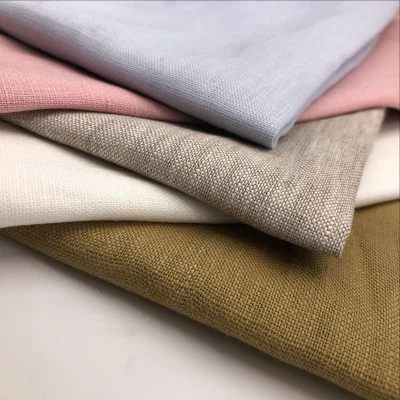
Linen is the most common type of hemp fabric and has been used by humans for thousands of years, with a cultivation history in Europe spanning over ten thousand years. It is derived from an annual herbaceous plant. Linen fibers are medium-length, with a natural crosswise texture on the surface, excellent toughness, and good abrasion resistance. In terms of hand feel, linen has a distinct roughness, but high-quality linen, after special treatment, becomes soft and non-itchy, greatly improving its skin-friendliness. The key advantage of linen is its breathability and moisture absorption-its breathability is three times that of cotton. Wearing linen in summer can lower the perceived body temperature by 2–3 degrees Celsius. It does not stick to the skin when sweating, and it contains linolenic acid, which provides over 90% antibacterial efficacy against Staphylococcus aureus. However, linen also has notable drawbacks: poor elasticity, high wrinkle tendency, and poor dimensional stability. It needs timely ironing after washing to restore its flatness. Linen is suitable for summer shirts, pants, and bedding.
Ramie
Ramie, also known as "China grass," is a unique hemp fabric native to China. Its use dates back to the Xia dynasty for mass-producing garments. Ramie fibers are the longest and finest among all hemp fibers-2 to 7 times longer than premium cotton and 2 to 3 times stronger. The fibers are white and lustrous, with large internal pores, providing superior breathability, moisture absorption, and rapid moisture release. The water evaporation rate of ramie is 50% faster than that of cotton, making it quick-drying and non-sticky when sweating. Ramie also offers antibacterial, anti-mite, odor-resistant, and UV-protective properties. The fabric has a loose structure with pronounced, angular wrinkles. It feels rough but is very lightweight-20% lighter than cotton of the same volume. Untreated ramie may feel itchy, but blending with other fibers can improve this. Ramie is highly resistant to corrosion, machine-washable, and resistant to mildew, making it ideal for lightweight summer clothing and outdoor gear, and it is a common choice for high-end hemp textiles.
Hemp (also known as Cannabis or China-hemp)
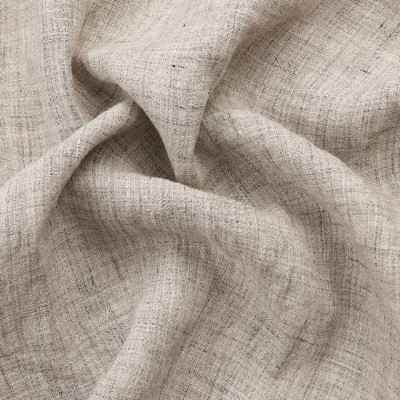
Hemp is indigenous to China, with a history of over 8,000 years, and is often called the "king of hemp." It is the softest among the four fabrics. Hemp fibers have blunt, curved tips with no sharp ends, giving them a soft, silky feel without noticeable itchiness. They do not stiffen after washing and are as skin-friendly as cotton. Hemp is highly functional: its moisture absorption is three times that of cotton, breathability ten times that of cotton, and it offers over 99% natural antibacterial efficacy. It blocks more than 95% of UV rays, achieving a UPF rating of 50+. Hemp is also anti-static, heat-resistant, and sun-resistant-it does not change color even at 370°C. However, it has poor elasticity, wrinkles easily, may shrink after washing, and is prone to fading and pilling. It is also relatively expensive. Hemp is suitable for close-fitting garments, outdoor sportswear, and high-end bedding.
Cotton-Linen Blends
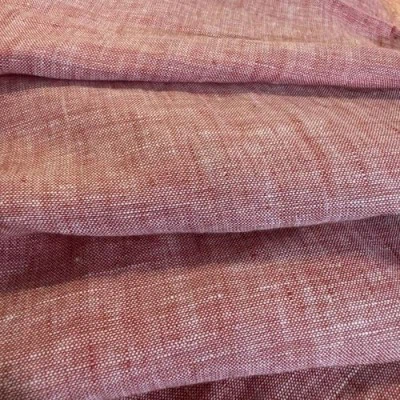
Cotton-linen is not a pure hemp fabric but a blend of cotton fibers with either linen or ramie. It is the most practical option for everyday wear, combining the advantages of both cotton and hemp. Cotton provides softness and skin-friendliness, while hemp adds structure and breathability, resulting in a fabric that is both comfortable like cotton and fresh like hemp. Cotton-linen blends have a tight, fine texture with natural wrinkles, and an appearance similar to ordinary textiles. The softness lies between that of cotton and pure hemp; the higher the hemp content, the more structured the fabric. The advantages include breathability, non-sticky feel, stylish natural wrinkles, eco-friendliness, and an affordable price. Disadvantages include a tendency to wrinkle, possible stiffening over time, and fading in darker colors. Cotton-linen is ideal for everyday artistic or casual business wear, as well as home decoration-offering excellent value for money.
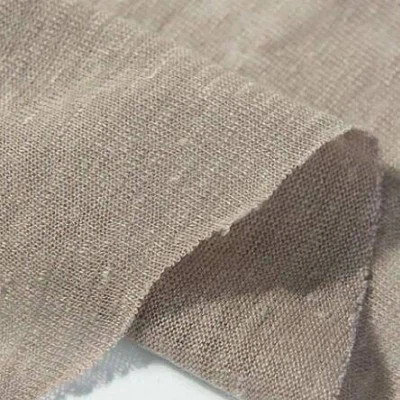
For ultimate breathability, choose ramie. For softness and skin-friendliness, go with hemp. For value and daily wear, pick cotton-linen blends. For vintage texture and durability, opt for linen. Each fabric has its strengths and weaknesses, but all share the core benefits of breathability and freshness, suited to different usage scenarios and needs. Armed with this knowledge, whether buying clothes or selecting bedding, you can accurately match your requirements and enjoy a cool, comfortable summer-no more confusion or poor choices.