What are the advantages of nonwoven fabric and woven fabric?
Jan 24, 2025
In today's society, environmental protection has become a global consensus, and all walks of life are actively exploring more green and sustainable development paths. As two important branches of the textile industry, nonwoven fabrics and woven fabrics have shown unique advantages in the field of environmental protection and application.
Environmental protection advantages of nonwoven fabric
As a nonwoven fabric, the environmental advantages of nonwoven fabric are significant. Firstly, it does not add harmful substances such as formaldehyde and benzene during the production process, which is harmless to the human body. At the same time, its raw materials are mostly biodegradable natural fibers such as cotton and hemp, which have good biodegradability and are environmentally friendly. This characteristic has made nonwoven fabric widely used in home decoration, packaging materials and other fields. For example, eco-friendly nonwoven fabric wallpaper not only has rich colors and easy cleaning and maintenance, but can also effectively regulate indoor humidity, prevent wall mold, and improve living comfort.

In addition, nonwoven bags, as a reusable bag, are also highly praised for their environmental protection. Compared with traditional plastic bags, nonwoven bags reduce the production of plastic waste and reduce pollution to the environment. At the same time, nonwoven bags also have various functions such as waterproof, anti-moisture, and antibacterial, which meet the needs of different scenarios. With the improvement of global environmental awareness, the market prospects of nonwoven bags are becoming more and more extensive, and their design and printing technology are constantly innovating to meet the growing personalized needs of consumers.
The irreplaceability of woven fabric
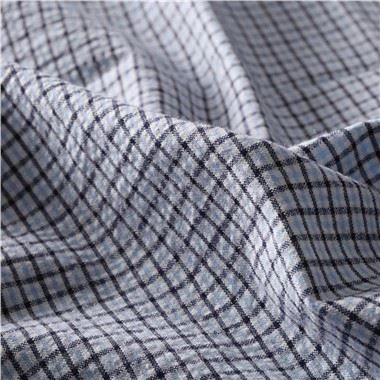
Although nonwoven fabrics have shown excellent performance in terms of environmental protection, woven fabrics are still irreplaceable in many fields. Woven fabrics are widely used in clothing, household items, industry, and construction due to their unique weaving technology and performance advantages.

In the field of clothing, woven fabrics are favored by consumers for their excellent comfort and appearance. Different materials and structures of woven fabrics can meet the needs of wearing in different seasons and occasions. At the same time, with the development of technology, the application of high-performance fibers such as carbon fiber and aramid fiber in woven fabrics is becoming more and more widespread, which improves the strength, wear resistance, and fatigue resistance of woven fabrics, so that they can maintain stable performance in extreme environments.
In the fields of industry and construction, woven fabrics also play an important role. For example, woven fabrics are used to make structural components, reinforcement materials, and filtering materials. Their high strength, high wear resistance, and other characteristics make these materials maintain stable performance in harsh working environments. In addition, with the development of intelligent textile technology, woven fabrics can be integrated with various sensors and actuators to realize human-machine interaction, adaptive functions, and provide strong support for industrial production and building safety.