How Does Fabric Texture Affect the Fabric?
Feb 28, 2026
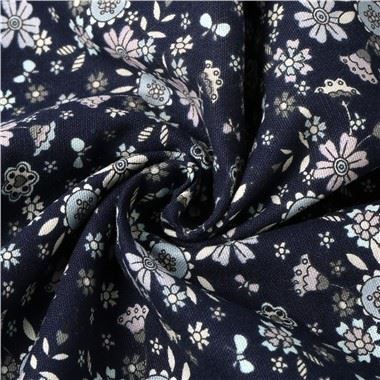
Fabric texture, derived from the weaving process, refers to the structural pattern formed by the interlacing of warp and weft yarns. It directly influences the fabric's hand feel, performance, durability, and suitable applications, making it a key consideration in fabric selection. Common textures are primarily classified into plain weave, twill weave, satin weave, and special textures, each with distinct characteristics and effects.
Texture directly shapes the appearance and tactile quality of a fabric. Plain weave textures are fine, uniform, and matte, offering a lightweight and smooth hand feel, making them ideal for summer fabrics. Twill weave features clear diagonal lines on the surface, creating a three-dimensional effect with a thicker, crisper hand feel, often associated with a vintage workwear aesthetic. Satin weave has a subtle texture with long floats on the surface, resulting in a delicate, pearlescent luster and a luxurious, silky touch, suitable for high-end apparel. Special textures like dobby and rib weaves, achieved through advanced techniques, add patterned effects or elasticity, enhancing both the visual appeal and functionality of the fabric.
Performance characteristics also vary with texture. In terms of breathability, plain weave, with its numerous and evenly distributed interlacing points, offers the best air permeability. Twill weave, having fewer interlacing points, provides moderate breathability. Satin weave, where long floats cover the air permeability channels, exhibits the poorest breathability. Regarding abrasion resistance, plain weave, with its stable structure, offers moderate durability. Twill weave, being thicker and more robust, provides superior abrasion resistance, making it suitable for high-frequency wear. Satin weave, with its long floats prone to snagging and wear, has the lowest durability.
Texture also dictates the suitable applications and care requirements. Plain weave fabrics are easy to care for and breathable, making them ideal for T-shirts and lightweight shirts. Twill weave fabrics, known for their crispness and durability, are well-suited for jeans and spring/autumn jackets. Satin weave fabrics require gentle care and are primarily used for formal wear and high-end bedding. Understanding the impact of texture on fabric properties enables more precise matching of fabrics to specific wearing needs and usage scenarios, enhancing the efficiency of product selection.