

Our company was founded in 1999. The founder, Mr. Jia, has engaged in textiles for more than 30 years. The whole chain of textiles, the range from cotton purchase, spinning, weaving, to final product-garments, are all dabbled. This company was established initially committed to export fabrics, then expanded cotton yarn import and garment export business step by step. After so many years of accumulation, we have the stable suppliers and clients. Our operation principle is quality-oriented, customer first and the supremacy of credibility. Welcome to negotiate with us for a long-term and win-win business cooperation ralations.
-

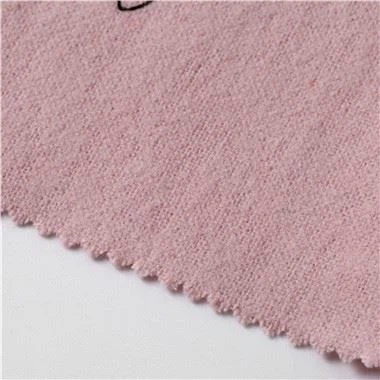
100 cotton flannel fabric is a medium-weight cotton fabric that is brushed on one or both sides. It can be woven into a twill or plain weave, and is milled and raised for a full hand and fine suede.
Add to Inquiry -
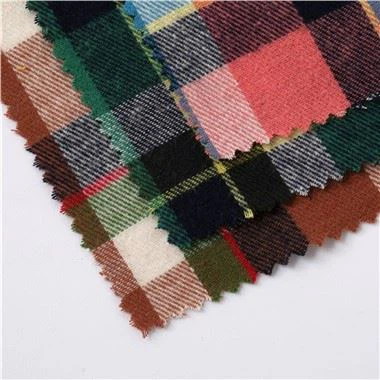
Yarn Dyed Plaid Flannel Fabric
Yarn dyed flannel fabric refers to a fabric which firstly dye yarn and weave into cloth,afterwards brushed single-side or double-sides.There are two kinds of weaving methods:plain weave and twill
Add to Inquiry
Why Choose Us
Quality Control
Our operation principle is quality-oriented, customer first and the supremacy of credibility. Welcome to negotiate with us for a long-term and win-win business cooperation ralations.
Factory
Our company was founded in 1999. The founder, Mr. Jia, has engaged in textiles for more than 30 years.
Rich Experience
We can provide our suggestion based on our experience once you need.We have inspector team with many years experience.
Professional Team
We can offer new product development assistance on our strength, regional advantage and full supply chain. We used to export printed plastic zip lock bags, printed board, shopping bags etc. at the request of clients.
Flannel Fabric is typically made from wool, cotton, synthetic fibers, or a blend of these products. It is generally described as a medium-weight fabric that is soft to the touch. This softness is generated when the material is brushed during the production process, which causes the tiny fibers to raise slightly, resulting in a soft or 'fluffy' finish.
Flannel fabric is available in various colors and patterns - a process that is achieved through printing processes and dyes. However, traditionally, different colors would be created by "mixing white, blue, brown, and black wools in varying proportions."
Benefits of Flannel Fabric
Softness and Comfort
Flannel is known for its softness and warmth, making it a popular choice for clothing and bedding. It has a cozy feel that many people find comfortable and soothing.
Insulating Properties
Flannel is an excellent insulator, which means it helps to retain heat and keep you warm. This makes it a popular choice for winter clothing and bedding.
Durability
Flannel is a durable fabric that can withstand frequent washing and wear. It is less likely to pill or fade than other fabrics, which can help it last longer.
Absorbency
Flannel has good absorbency, which makes it a good choice for cleaning and polishing delicate surfaces.

What Different Types Of Flannel Fabric Are There?
Cotton flannel:
Cotton flannel is made from 100% cotton fibers and is soft, lightweight, and breathable. It is commonly used for clothing and bedding and is available in a wide range of colors and patterns.
Wool flannel:
Wool flannel is made from 100% wool fibers and is known for its warmth and durability. It is commonly used for suits, jackets, and coats, as well as for bedding.
Synthetic flannel:
Synthetic flannel is made from synthetic fibers such as polyester or rayon. It is often less expensive than natural fiber flannel and can be more durable, but may not be as soft or breathable.
Brushed flannel:
Brushed flannel is a type of flannel that has been brushed to create a soft, fuzzy texture. This type of flannel is commonly used for bedding, but can also be used for clothing and other applications.
Flannelette:
Flannelette is a type of flannel fabric that has been napped on both sides, creating a very soft and fluffy texture. It is commonly used for bedding and baby products.
Yarn-dyed flannel:
Yarn-dyed flannel is made by weaving together yarns of different colors, creating a pattern that is visible on both sides of the fabric. This type of flannel is commonly used for shirts and other clothing items.
What Is Flannel Used For?
Clothing:
Flannel is commonly used for clothing items, such as shirts, pajama pants, robes, skirts, and dresses. It is particularly popular for winter clothing because of its warmth and softness.
Bedding:
Flannel sheets, duvet covers, and blankets are popular for their cozy and comfortable feel. Flannel bedding is particularly popular during the winter months when temperatures drop.
Home Decor:
Flannel fabric is used for a variety of home decor items, including throw pillows, blankets, and curtains. Its softness and warmth make it a popular choice for adding a cozy touch to any room.
Crafts:
Flannel is a popular material for crafting, particularly for items such as stuffed animals, quilts, and holiday decorations.
Cleaning:
Flannel is also used for cleaning and polishing, particularly for delicate surfaces such as eyeglasses or electronics.
Due to casual use, flannel may get dirty and lose its cozy appeal. Here are a few easy washing hacks to make them clean.
Use a mild detergent free from chlorine and phosphate; it will maintain softness and easily clean dirt. Also, please stop using harsh chemicals. They create a thin layer on the fabric and kill its softness. Eventually, the strong cleaner will make the fabric stiff and rough.
Cotton-based flannel can be washed in the machine; make sure the water is warm. Go for a mild wash that does not give heavy stress to the fabric. Woolen ones can be hand washed. Add a few drops of vinegar to the water to see the magic!
Soak the flannel in soapy water for an hour and wash it under running water. Woolen Lite is popularly used for this purpose. Please take out the excess water and make them dry in the sunlight. Don’t think about dry cleaning; it is like the murder of woolen flannels. Instead, hand wash your woolen flannels and use hangers or dry racks to make them dry.
Drying guide
- Flannel can be easily dried with a dryer. As the cotton-based material tends to shrink after washing, please don’t put them on high heat. Keep the heat medium or air dry. Women Flannel Dixxon can get back its shine with proper drying. Keep them on medium heat or squeeze the excess water and air dry.
- We will not recommend you to put the woolen shirt in the dryer. It may shorten the lifespan of the material. Instead, lay them flat under the sun and wait until it is almost dry.
Ironing guide
- Flannel requires proper ironing to hold its shine. The cotton base fabric needs medium heat to banish the crease. Set the iron in cotton setting mode to remove the wrinkle and offer the optimum heat to make your oversized flannels ready to wear.
- Women’s wool needs extra care while ironing. Pay attention and set your iron into woolen setting mode. Place a thin layer of cloth on it and slowly press it to turn it back and press the wrong side first to revive its coziness.
Pro Tip
Wherever you buy flannel, make sure you read the care guide to find the best way to maintain it. Stay informed about the temperature of the water, detergent, and drying guide. Try to maintain the right heat for washing, drying, and ironing. Taking care of material will increase its durability and save money in the long run.
How Is Flannel Fabric Made?
Flannel fabric can be made from a variety of materials, including wool, cotton, and synthetic fibers. The manufacturing process varies slightly depending on the material used, but the basic steps are similar.
Fiber Preparation: The first step in making flannel fabric is to prepare the fibers. This involves cleaning and carding the fibers to remove any impurities and align the fibers in a uniform direction.
Spinning: The prepared fibers are then spun into yarn. The thickness and texture of the yarn will depend on the desired end use of the fabric.
Weaving: The yarn is then woven into the fabric using a loom. Flannel can be woven in a variety of patterns, including twill, plain, or satin.
Brushing: After the fabric is woven, it is brushed to create the fuzzy surface that is characteristic of flannel. This is done using metal brushes that raise the fibers on the surface of the fabric.
Finishing: The final step in making flannel is finishing. This involves washing, dyeing, and ironing the fabric to give it the desired texture and appearance. Some flannels may also be treated with a flame retardant or other finishing chemicals for specific end uses.
How Does Flannel Fabric Impact the Environment?
Types of materials used
Cotton pollutes less than synthetic textiles, but wool pollutes the least of all. Avoid perpetuating the use of toxic chemicals and pesticides by choosing natural fabrics that were produced with sustainable and organic practices.
Manufacturing processes
Depending on the dyes and other treatments used, the production of flannel fabric may have a greater or lesser negative impact on the environment. Sustainable companies that use ethical production processes are more likely to only use safe materials when making their fabric.
Fair trade marketing
Product dumping, non-tariff barriers, and other tricks of the trade can support certain unethical companies while stifling rightful competitors. Economic strife breeds ecological chaos, so we have to make an effort to uplift the communities that make our textile products.
Flannel fabric certifications available
Depending on the material that was used to make flannel fabric, a few different certifications may be applicable:
Global Recycled Standard (GRS)
Synthetic materials don’t have to harm the environment. GRS helps companies that make an effort to use recycled materials in their textile products. Even natural fibers like wool can be recycled, so GRS has a wide purview.
Woolmark
This organization is one of the world’s biggest wool producers, but it’s also a highly respected certifying agency for other wool manufacturers around the world. Wool with the Woolmark logo was sourced with care and produced with ethical practices.

The cotton flannel fabric is a soft fabric originally used to make warm clothing and combat low temperatures due to its insulating capacity and durability. It was a popular fabric among farmers, lumberjacks, and people who worked outdoors during the nineteenth and twentieth centuries.
It is used in shirts, pajamas, sheets, and underwear to combat the cold. It is essential to pay attention to cotton garments such as flannels or shirts, to keep them in perfect condition. The washing is one of the points where you must be very careful to avoid shrinkage and also differentiate between remove stains in clothing colored cotton and remove stains in clothing white cotton, not to mix colors.
Tton by looking at the label that will carry the garment. There you will find the composition and find out if it is a 100% cotton garment or the percentage of this fabric is smaller and combined with others.
On the label, you will see instructions and recommendations for washing, which you must follow to avoid damaging your cotton flannel. Normally, these types of garments resist very well the fact of being washed and can go to the washing machine. Even so, some aspects should be taken into account so as not to damage it.
To take care of your cotton flannel, it is recommended to turn it over before washing it to prevent it from wearing too much and getting it to last longer. This will be especially indicated for those flannels that have some pattern or sewn elements, since this way we will keep them in optimal conditions.
Although many cotton garments can be washed in hot water, it is necessary to pay attention and do not wash them at high temperatures, because they can shrink and/or lose color. In general, it will also be possible to put them in the dryer after washing them, but we repeat that you should always consult it in the washing instructions that appear on the label of each garment.
It is better to wash with your hands since you will wash the fabric very gently with your hands. If this is not possible, wash it in the lowest position of the machine in cold water. Use a very mild detergent. If there is any stain on the flannel cloth, never rub this with a brush. Hold the fabric in your hand and gently rub the fabric. This will eliminate the stain. The best option to dry the flannel is the natural dry method. Never hang the very wet cloth on the clothesline outside as the material may lose its shape.
Our Factory
Our company was founded in 1999. The founder, Mr. Jia, has engaged in textiles for more than 30 years. The whole chain of textiles, the range from cotton purchase, spinning, weaving, to final product-garments, are all dabbled.

FAQ
As one of the leading flannel fabric suppliers in China for over 20 years, we warmly welcome you to buy or wholesale flannel fabric for sale here from our factory. All customized products are with high quality and competitive price. Contact us for quotation and free sample.
printed flannelette fabric, Yarn Dyed Plaid Flannel Fabric, 100 percent cotton flannel