

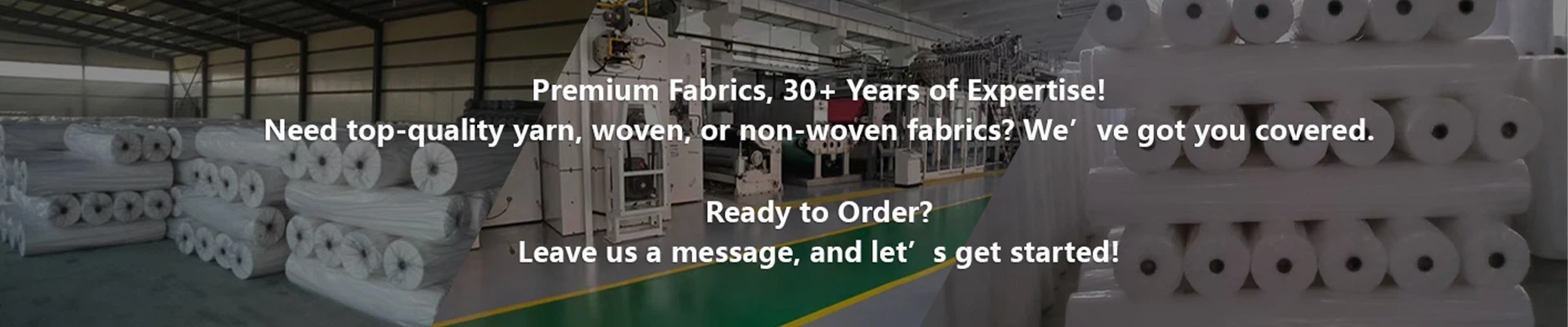
Our company was founded in 1999. The founder, Mr. Jia, has engaged in textiles for more than 30 years. The whole chain of textiles, the range from cotton purchase, spinning, weaving, to final product-garments, are all dabbled. This company was established initially committed to export fabrics, then expanded cotton yarn import and garment export business step by step. After so many years of accumulation, we have the stable suppliers and clients. Our operation principle is quality-oriented, customer first and the supremacy of credibility. Welcome to negotiate with us for a long-term and win-win business cooperation ralations.
-

Rib knit is a fabric with visible vertical rib on both of front and back.Its widely used types are 1x1 rib and 2x2 rib.Every other wale alternates between plain and purl stitches on the right and
Add to Inquiry -
100% cotton single jersey has elasticity without elastic fiber.According to different pattern,we have two dyeing solutions,prior to knit or finish knitting.
Add to Inquiry -
Cotton Spandex Stretch Jersey Knit
Cotton stretch jersey knit fabric get good elasticity through added a certain proportion of spandex,meanwhile this elastic fiber will not effset the advantages of others material.
Add to Inquiry


Why Choose Us
Quality Control
Our operation principle is quality-oriented, customer first and the supremacy of credibility. Welcome to negotiate with us for a long-term and win-win business cooperation ralations.
Factory
Our company was founded in 1999. The founder, Mr. Jia, has engaged in textiles for more than 30 years.
Rich Experience
We can provide our suggestion based on our experience once you need.We have inspector team with many years experience.
Professional Team
We can offer new product development assistance on our strength, regional advantage and full supply chain. We used to export printed plastic zip lock bags, printed board, shopping bags etc. at the request of clients.
Jersey is a knit fabric that is commonly used in clothing. In the past, most jersey fabric was made with wool, but it’s now more common to find cotton and synthetic jersey garments. While many athletic jerseys are made with jersey fabric, the fabric “jersey” is different from the garment “athletic jersey.”
Characterized by its considerable stretchiness and close knit, jersey is a popular fabric for underwear, T-shirts, and other types of garments that you wear close to your skin. Since it is lightweight, jersey is not remarkably durable or insulative, but it is ideal as a base layer worn beneath thicker and more durable clothing.
Benefits of Jersey Fabric
Soft feel
Knitted fabrics are knitted with coils, with low knitting density and soft and comfortable texture. Yarns used for knitting often have a slight twist, which contributes to the soft feel of the fabric, making it a first choice for garments that come in direct contact with the skin.
Extensibility and elasticity
The gaps between the coils of knitted fabrics are large and they are easily deformed and stretched when stressed, making the fabric more extensible and elastic. This property is especially important for sportswear, as it provides freedom of movement and comfort during physical activity.
Breathable and anti-wrinkle
The gaps between the knitted coils promote air circulation, making the jersey breathable and comfortable to wear, especially during exercise. Additionally, the use of chemical fibers in the fabric enhances its wrinkle resistance, reducing the need for ironing after washing.
Type Of Jersey Fabric
Single Jersey
Single jersey is a lightweight, stretchy knit fabric with one flat and one piled side. It is often used for T-shirts due to its lightweight nature and smooth texture. A single jersey is often the go-to choice when you want a soft, comfortable fabric for everyday wear.
Double Jersey
Double jersey, also known as double-knit, is a more robust fabric. It consists of two layers of single jersey knitted together, resulting in a fabric with a smooth, structured appearance on both sides. Double jersey is an excellent option for increased durability or design flexibility due to its thicker and more stable nature.
Interlock Jersey
An Interlock jersey is similar to a double jersey, as it also consists of two layers of a single jersey. The difference is in how the layers are connected, forming a tighter and denser fabric.
Interlock jersey is characterized by its smooth surface and reduced curling at the edges. This fabric offers increased stability and stretch, making it ideal for garments that require a close fit or additional support.
Jacquard Jersey
Jacquard Jersey uses a specific knitting technique to create intricate patterns, usually involving multiple colors. This fabric is created using a Jacquard loom or machine, which controls the placement of yarn and creates the intricate designs.
Uses for Jersey Fabric
Jersey is one of the most popular and versatile fabrics used today. Some of the most popular items made from jersey include:
T-shirts and tank tops. Most t-shirts are made using a knit fabric, like jersey, as the opaque, stretchy, absorbent fabric is great for comfort and practical use.
Sweats. Sweatpants and sweatshirts are made from jersey fabric, as the stretch, softness, and absorbency make it a great fabric for lounging.
Bedsheets. Jersey sheets are very popular thanks to their soft and absorbent nature.
Underwear. Many undergarments are made from jersey fabric, as the stretch and absorbency make the fabric perfect for this use.
Sportswear and athleisure. The stretch and absorbent nature of jersey make it a good fabric for athletic endeavors. However, team uniforms today, which are usually referred to as “jerseys,” are not always made from jersey material—they are named that way because they were often originally made from jersey.
What Stitches Should I use to Sew Jersey Fabric?
If your machine doesn’t have a built in stretch stitch, you can use the zigzag stitch and adjust the width and length. On my machine I narrow the width and length down to 1, but the settings on every sewing machine are different so you’ll need to play about with them to get it right. Test your stitches on a scrap of your fabric first.
I wouldn’t recommend sewing stretch fabrics with a normal straight stitch as it doesn’t have any ‘give’ in it and when you stretch your garment the thread might snap.
Gently guide your fabric when stitching through the layers, don’t pull from the back or hold on to the fabric as this will result in puckering and the seams will look messy. If you can adjust the presser foot pressure on your sewing machine, I suggest to reduce the pressure slightly which also helps reduce puckering.
Most patterns suggest to stabilise your shoulder seams, necklines or armholes. I’ve found that on shoulder seams clear elastic tape, works quite well. But you can also use iron-on seam tape which prevents seams from stretching out of place during wear. And if you don’t have any of those on hand, ordinary strips of thin cotton fabric or iron on interfacing cut to size will do the job.

Tips for How to Sew Jersey Fabric
Using the right stitch
When working with stretchy jersey knit fabric, use the right stitch to accommodate its unique properties. Opt for a stretch stitch or zigzag stitch. These stitches can flex with the fabric. They can prevent popped seams and allow for flexibility in the finished garment. This is especially important when sewing clothing items that need ease of movement and comfort.
Applying tension settings
Adjust the tension on your sewing machine when sewing knit jersey fabric. Proper tension prevents the fabric from puckering or stretching excessively. This ensures even stitching and a professional finish. By finding the right balance in tension settings, you can avoid common issues such as uneven seams and distorted fabric.
Using a rotary cutter with a cutting mat
Cutting jersey knit fabric can be challenging due to its stretchy nature. Instead of scissors, opt for a cutting mat, pattern weights, and a rotary cutter to achieve precise cuts. Additionally, remember that jersey knit fabric has a grainline parallel to the selvedge. So, aligning your pattern pieces accordingly is key to achieving optimal results.
Selecting the right thread
Selecting the right thread is vital when working stretchy fabrics like jersey knit. Different sewing machine threads will produce different results for your sewing project. Opt for a high-quality thread suitable for stretch fabrics. It ensures durability and flexibility in your finished garment.
Using a sewing machine walking foot
Consider using a sewing machine walking foot when working with jersey knits. This specialized foot is equipped with feed dogs that move in sync with the bottom feed dogs of your machine. It ensures even fabric feeding during sewing. This is particularly useful for maintaining control and preventing stretching or distortion of the fabric.
Using the right pattern
When starting with jersey knit fabric, follow patterns that specifically recommend this type of material. For the best results, adhering to the pattern’s recommended stretch percentage is essential. While experienced sewers may deviate slightly based on their expertise, beginners should closely follow these recommendations to increase their success rate when working with knit fabrics.
Don’t over-stretch the fabric
Working carefully with stretchy fabrics like jersey knit is essential. But it’s equally important not to over-stretch them during regular stitching processes. Allowing the fabric to gently feed through the machine without pulling it taut prevents problems such as wavy seams or skipped stitches. However, there are exceptions. For instance, controlled stretching may be necessary when sewing a T-shirt neckband.
Weight and thickness: Single jersey knit fabric is lightweight, while double jersey knit fabric is thicker and more substantial, providing increased warmth and structure.
Stretch and comfort: Both fabrics offer stretchability, but single jersey fabric is known for its greater stretch due to its construction with a single set of needles. This makes it suitable for creating form-fitting and comfortable garments.
Texture: Single jersey fabric has a distinctive looping texture on the reverse side, while double jersey fabric is smooth on both sides. The looping texture of single jersey fabric adds a unique aesthetic appeal.
Insulation and warmth: Double jersey fabric’s thicker construction and increased weight provide better insulation, making it ideal for colder climates and winter wear.
Breathability: Single jersey fabric, being lighter in weight, offers better breathability, making it suitable for warmer weather or active pursuits.
Structure and drape: Double jersey fabric has a more substantial weight and structure, giving garments a structured appearance and good drape, while single jersey fabric has a softer and more fluid drape.
Usage: Single jersey fabric is commonly used for t-shirts, dresses, and activewear, while double jersey fabric is suitable for winter wear and garments that require more weight and warmth.
These comparisons highlight the differences between single jersey and double jersey fabrics in terms of weight, stretch, texture, warmth, breathability, and usage, allowing designers and manufacturers to choose the most suitable fabric for their specific needs.
How to Care for a Jersey Fabric ?
Gentle washing: Wash jersey fabric using a delicate or hand wash cycle to avoid damaging the fabric fibers. Use cold or warm water, avoiding hot water. It is advisable to wash it with similar fabrics to prevent stretching.
Avoid strong detergents: Refrain from using strong detergents or those containing harsh chemicals as they can fade or damage the fabric.
Instead, opt for mild and gentle detergents that are safe for the fabric.
Skip fabric softeners: Avoid using fabric softeners with jersey fabric as they can reduce its elasticity.
Proper drying: Avoid direct sunlight when drying jersey fabric as it can cause fading and damage to the fibers. Instead, dry the fabric in the shade or indoors. Avoid using high heat in a dryer as it can shrink and affect the fabric’s elasticity.
Ironing at the right temperature: If ironing is necessary, use a warm or medium heat setting suitable for jersey fabric. Avoid ironing at high temperatures to prevent scorching or distorting the fabric.
Proper storage: When not in use, store jersey fabric in a dry and well-ventilated place, away from direct sunlight and moisture. It is recommended to fold it neatly and place it in a protective bag or storage box to prevent dust accumulation and maintain its shape.
Our Factory
Our company was founded in 1999. The founder, Mr. Jia, has engaged in textiles for more than 30 years. The whole chain of textiles, the range from cotton purchase, spinning, weaving, to final product-garments, are all dabbled.

FAQ
As one of the leading jersey fabric suppliers in China for over 20 years, we warmly welcome you to buy or wholesale jersey fabric for sale here from our factory. All customized products are with high quality and competitive price. Contact us for quotation and free sample.
dyed 100 cotton single jersey fabric for kids, 1x1 Baby Rib Knit Fabric, cotton spandex printed stretch jersey fabric for kids