
Our company was founded in 1999. The founder, Mr. Jia, has engaged in textiles for more than 30 years. The whole chain of textiles, the range from cotton purchase, spinning, weaving, to final product-garments, are all dabbled. This company was established initially committed to export fabrics, then expanded cotton yarn import and garment export business step by step. After so many years of accumulation, we have the stable suppliers and clients. Our operation principle is quality-oriented, customer first and the supremacy of credibility. Welcome to negotiate with us for a long-term and win-win business cooperation ralations.
-

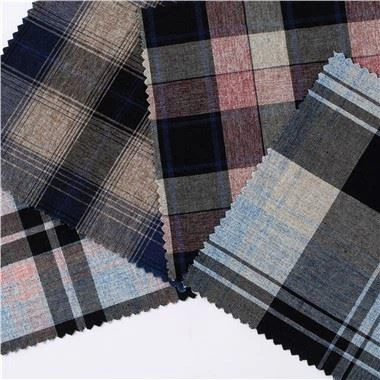
Plaid denim fabric is popular with consumers for its unique style in the market. The fabric is woven by warp and weft yarns of different colors, and the plaid on the cloth surface is beautiful and
Add to Inquiry -
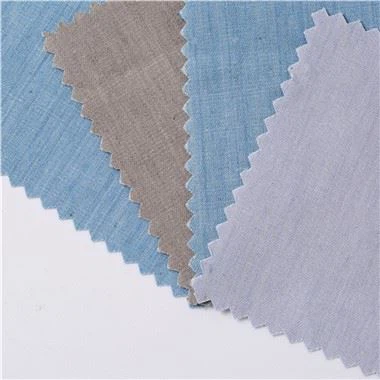
Denim fabric is a sturdy cotton warp-faced textile.The warp thread is dyed while the weft thread generally remain raw white, and the weft passes under two or more warp threads.So the fabric inside
Add to Inquiry -
Stretch denim fabric is a well-loved fabric that has been popular in the market for several years and occupies a major position in the fabric market.
Add to Inquiry -
Jacquard denim fabric is a special type of denim fabric.The weaving method is different from other denim fabric. It take a complicate structure by warp and weft to weave pattern which is based on
Add to Inquiry -
There are many types of denim fabric weaving, such as plain weave, twill weave, herringbone weave, interweave pattern and so on.
Add to Inquiry -
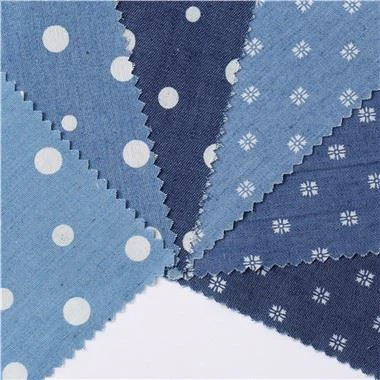
Lightweight Printed Denim Fabric
The pattern is processed by computer print on the denim fabric with inkjet or reactive dye,so that a vivid and realistic pattern present on the fabric,we call this fabric printed denim fabric.
Add to Inquiry -
Knit denim fabric is a knitted fabric similar to denim which combines the surface of woven denim with the knitted structure, and has the characteristics of softness, wrinkle resistance, humanization
Add to Inquiry



Why Choose Us
Quality Control
Our operation principle is quality-oriented, customer first and the supremacy of credibility. Welcome to negotiate with us for a long-term and win-win business cooperation ralations.
Factory
Our company was founded in 1999. The founder, Mr. Jia, has engaged in textiles for more than 30 years.
Rich Experience
We can provide our suggestion based on our experience once you need.We have inspector team with many years experience.
Professional Team
We can offer new product development assistance on our strength, regional advantage and full supply chain. We used to export printed plastic zip lock bags, printed board, shopping bags etc. at the request of clients.
Denim fabric was primarily used for workwear due to its strength and durability. It was commonly worn by laborers, miners, and railroad workers who needed clothing that could withstand harsh conditions. The cultural significance of denim fabric grew as it became associated with the hardworking blue-collar class. It symbolized resilience, strength, and a connection to the working class.
It was adopted by rebellious youth subcultures like the greasers and rockers, who embraced denim as a symbol of non-conformity and defiance. This marked a shift in the cultural significance of denim fabric, as it became associated with youth rebellion and counterculture movements.
Denim fabric continues to be a staple in fashion. It is versatile, durable, and has a timeless appeal that transcends trends. The history of denim production and its cultural significance have made it an iconic fabric that remains popular to this day.
Benefits of Denim Fabric
Weave Pattern For Durability
One of the most popular reasons why denim is utilized is durability. Because the material is incredibly strong and long-lasting, workwear won’t have to be replaced yearly. This is the reason why it is the prime choice when it comes to clothing used for laborious jobs.
Low Maintenance Care
When it comes to laundry, washing denim is effortless! The twill weave of denim is made to hide stains. If your clothing gets dirty, spot cleaning can easily fix the problem.
Effortless Styling Options
Aside from its durable and low-maintenance features, denim is also fashionable. This is because it can be easily paired with other types of textiles for numerous style options. Even simple denim jeans will make your restaurant staff look put-together when paired with a white polo shirt or a light blue long-sleeve!
Perfect For All Seasons
In relation to style, denim can also be worn in both hot and cold weather! This is because it is available in numerous thicknesses and designs. This makes it the most attractive option for companies in tropical countries such as the Philippines, where it doesn’t get extremely cold even during the wet season.
Eco-friendly Materials
At the end of its life—which is roughly around 10 years or more—denim can be recycled. A machine will grind the fabric into fibers and turn it back into cotton, so it can be combined with new fibers of the same material. After that, it can be used for brand-new denim clothing!
Types of Denim Fabric
Selvedge / selvage denim
Selvedge denim has a tightly woven ‘selvedge edge’ (the long edge of the fabric) which is white and contains a colored thread. Selvedge denim is often sought-after because it’s generally higher quality than its more modern counterparts, and some people argue that the different weaving process results in a better fade and wear over time.
Stretch denim
Stretch denim is generally made from cotton and 2% to 5% of stretch fibers, such as elastane, spandex, or lycra. Stretch fibers give the denim stretch and recovery so that more fitted shapes can be achieved. Some wearers prefer stretch denim because it’s more comfortable, but others avoid it as it doesn’t have the long lifespan that rigid, non-stretch denim does.
Broken twill denim (and Right Hand/Left Hand weave)
When Denim was first invented, you could look at the back of the fabric and observe a distinct right- or left-leaning direction to the fabric. This, over time, wear, and washing, led the denim to distort. It was most commonly noticed in the legs of jeans, which would twist around the wearer’s legs over time in a way that could be quite uncomfortable!
Ring-spun denim
This refers to the way the cotton fibers are spun before they’re woven into the fabric we know as denim. Traditionally, these cotton fibers were spun onto a ring, producing yarn with a highly durable yet irregular-looking twist. This resulted in a strong and soft fabric with desirable fade qualities.
Bull Denim
Bull denim uses a 3*a twill construction, which is just a fancy way of saying that three threads are used at a time to create the twill weave, rather than one or two. The result is a more obvious diagonal ridged pattern in the finished fabric, and a heavier weight, stronger, and more durable fabric (source). Bull denim is also dyed after it’s woven, creating a solid color. Bull denim is used for things like upholstery, slipcovers, casual window treatments, workwear aprons or coveralls, and in some cases very heavyweight jeans (source).
Raw Denim
Raw denim fabric hasn’t been washed after the dyeing process or after the garment has been produced. It’s stiff, dark, and has a uniform color with no variation. Importantly, it hasn’t been pre-shrunk, so expect it to shrink after you wash it.
What is Denim Fabric used for?
Clothing
Denim is popular for making jeans, but it can also be used for jackets, shirts, skirts, dresses, and other clothing items. Its strength and versatility make it a popular choice for everyday wear.
Accessories
Denim can also be used to make accessories such as hats, bags, belts, and shoes. Its sturdy and rugged texture can add a stylish touch to any outfit.
Upholstery
Denim upholstery fabrics are easy to clean, making it ideal for chairs, couches, and ottomans. It is the best option for high-traffic areas due to its durability and strength.
Home Decor
Denim can also be used for home decor items such as curtains, tablecloths, and throw pillows. It adds a casual yet stylish look to any room.
Industrial uses
Denim fabric is also used in a variety of industrial applications, such as heavy-duty work clothing, safety gear, and even tarps. It can also be used to cover trucks and other equipment.
How Denim Fabric is Made
Denim fabric is made from cotton, and the process of making denim fabric involves several stages. Here is a general overview of how denim fabric is made:
Cotton Harvesting
Cotton is harvested from cotton plants, which grow in warm and humid climates around the world.
Cotton Ginning
After harvesting, the cotton fibers are separated from the seeds using a process called ginning. This process results in clean, raw cotton fibers.
Carding
The cotton fibers are then carded, which involves separating and straightening the fibers. This process produces a thin, fluffy layer of cotton called a “web.”
Spinning
The carded cotton fibers are spun into yarn using spinning machines. The yarn is then wound onto bobbins.
Dyeing
The yarn is then dyed using indigo dye, which gives denim its characteristic blue color. The yarn is dipped into the indigo dye several times until the desired shade is achieved.
Weaving
The dyed yarn is then woven into denim fabric using a loom. The most common weave for denim is a twill weave, which creates a diagonal pattern on the fabric.
Finishing
After the denim fabric is woven, it goes through a finishing process to give it the desired texture and appearance. This can involve processes such as washing, brushing, or sanding.
Cutting and Sewing
Once the denim fabric is finished, it is cut and sewn into various denim products such as jeans, jackets, and skirts.
Denim Fabric Washing and Drying Techniques
Once you’ve finished brushing your denim garment, it’s time to move on to washing and drying it to further enhance its softness. Here are some washing tips and drying hacks to help you achieve the desired result:
Washing Tips:
- Turn your denim garment inside out before washing to minimize fading and preserve color.
- Use a mild detergent specifically designed for dark or colored fabrics to prevent color bleeding.
- Avoid using fabric softeners as they can leave a residue and make your denim stiff.
- Wash your denim on a gentle cycle with cold water to prevent excessive shrinking and maintain its shape.
Drying Hacks:
- Air drying is the gentlest option for your denim. Lay it flat on a clean towel or hang it to dry in a shaded area.
- If you prefer machine drying, set it on a low heat or delicate cycle to minimize damage.
- Avoid over-drying your denim, as it can lead to stiffness. Remove it from the dryer while it’s still slightly damp and let it finish air drying.
In today’s fast-paced fashion industry, more and more people are considering the environmental impact of their clothing choices. Denim, a beloved and versatile fabric, is no exception. The production of denim often involves significant water consumption, chemical usage, and energy expenditure, contributing to pollution and resource depletion. But it’s also a hardy and long-lasting investment if treated well, not to mention eternally stylish.
As conscious consumers, we can make a positive change by adopting a “buy less, buy better, and make it last” mindset. By extending the lifespan of our denim garments by learning about their particular care requirements, we not only reduce waste but also promote a more sustainable future.
Perhaps the most consistent garment care myth about denim is that you should rarely wash it, and instead chuck it in the freezer to kill odours and bacteria. However, this (frankly bizarre) tip has been debunked numerous times over the years.
Studies have found that while freezing denim may temporarily put bacteria into hibernation, they will not be killed by a household freezer and will soon be back and bigger than ever post-thaw. The odours will also come back, now coupled with that on-the-nose freezer smell. You know the one.
Coupled with the freezing myth is the idea that you should rarely wash your denim—and this part is actually true. Well, there are two main prongs here: maintaining the shape of the denim, and the environmental impact of frequent laundering.
Denim garments, especially those made from 100% cotton, are designed to mould and shape to fit your body over time. Washing them too often messes with this whole process, and should be avoided. Less frequent washing also happens to be a crucial way to reduce the environmental impact of your wardrobe at home, since it means you’ll likely have the garment around for longer, and microfibre release will be mitigated.
So, most experts recommend infrequent washing—around every month or so is perfectly fine. This looks like around every 10 wears, depending on how often (and how sweatily) you wear your denim. Airing, spritzing, and spot-cleaning in between washes is the way to go.
Our Factory
Our company was founded in 1999. The founder, Mr. Jia, has engaged in textiles for more than 30 years. The whole chain of textiles, the range from cotton purchase, spinning, weaving, to final product-garments, are all dabbled.

FAQ
As one of the leading denim fabric suppliers in China for over 20 years, we warmly welcome you to buy or wholesale denim fabric for sale here from our factory. All customized products are with high quality and competitive price. Contact us for quotation and free sample.
denim cloth fabric, woven denim fabric, jacquard denim fabric for sale