


What Fabrics Are Suitable for Sensitive Skin?
Oct 19, 2026
Many people with sensitive skin share the same problem: a slight mistake in clothing choice can cause itching, redness, and small rashes. Fabric texture, fiber roughness, and residual dyes and finishing agents can all irritate a fragile skin barrier. Choosing the right fabric is essential to reduce the burden on the skin.
Prioritize low-irritation fabrics with smooth fibers. Combed cotton and organic cotton are reliable choices for sensitive skin: their fibers are gentle, moisture-absorbing and breathable, and create little friction. Prefer light-colored, minimally printed styles with GOTS organic certification to reduce irritation from dyes and finishing agents. These are suitable for everyday T-shirts and loungewear.

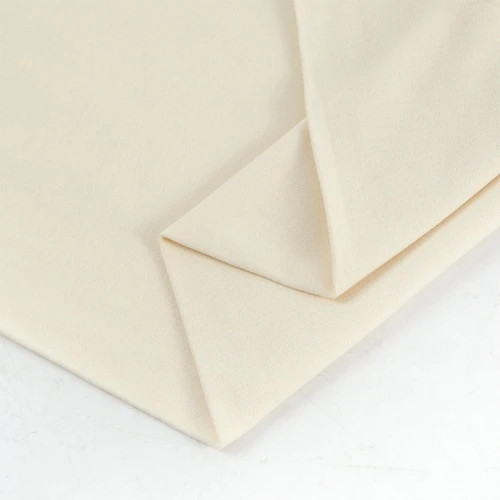
Modal is also a popular choice for close-fitting garments. Made from beech wood pulp, it has a smooth, soft fiber surface and better moisture absorption than ordinary cotton. It is less prone to static and causes low friction irritation, making it suitable for underwear, pajamas, and base layers. Note that Oeko-Tex certified products should be prioritized; low-quality Modal may contain more processing residues and can instead cause discomfort.
Tencel (Lyocell) is also suitable for sensitive skin. The fabric is smooth and cool, releases moisture quickly, and is less likely to feel stuffy or sweaty. It is ideal for summer shirts and bedding.
Mulberry silk protein fiber is fine and has almost no stiff fiber ends, so it causes very little friction against the skin. However, it is relatively expensive, and a small number of people are allergic to silk protein. Those wearing it for the first time are advised to try it first.
Bamboo fiber has good antibacterial properties and a smooth feel, but quality varies greatly. Some low-priced bamboo fiber products contain high chemical residues from processing, so careful selection is required.
The fact that these fabrics are suitable does not mean that all natural fabrics are safe. Coarse wool and coarse linen contain stiff fibers that can easily cause itching under repeated friction. Ordinary synthetic fabrics such as polyester, nylon, and acrylic have poor breathability, become damp and stuffy after sweating, and generate strong static electricity. Disperse dyes are a frequent sensitizer, so people with sensitive skin should avoid wearing these fabrics directly against the skin.
For highly sensitive skin, no single fabric is universally perfect, as tolerance varies from person to person. When choosing close-fitting clothing, remember one principle: smooth fibers, minimal chemical processing, and light-colored minimalist styles can significantly reduce the likelihood of skin itching and redness.


